Integrative Medical Mental Health

Picture of Integrative Medical Mental Health
Quick Facts
  • Delivery Method Online
  • Professional Certificate
  • 24hrs Suggested Study Time
  • 3 Months Access
  • Tutor Support
  • Study On Any Device
  • 983 Students

This groundbreaking online course offers a holistic, integrative approach to treating mental health problems.

This groundbreaking course addresses the dramatic shift taking place in the healthcare field as alternative, holistic, and integrative therapies are increasingly being used to treat mental health conditions.

Integrative mental health emphasises treating the mind, body, and spirit. In this program, you'll learn how this new model of medical care combines scientifically proven alternative and complementary methods with medications and psychotherapy to address the physical, psychological, and spiritual needs of individuals with anxiety disorders, sleep disorders, attention deficit hyperactivity disorder (ADHD), post-tramatic stress disorder (PTSD) and mental conditions associated with aging, depression, chronic pain, and Alzheimer's disease. In addition, this program explores the treatment of bipolar disorders in children and adolescents.

Medications and conventional psychotherapy have their place in the treatment of individuals with mental health disorders. However, as you'll learn in this program, there is growing evidence of the effectiveness of other treatment approaches such as nutritional supplements, exercise, light therapy, pet therapy, guided imagery, massage and other manual therapies, music and art therapy, dance therapy, stress management techniques, healing touch, biofeedback, sleep hygiene, acupuncture, and spiritual counselling.

This course is ideal for professionals in nursing and other healthcare fields, as well as individuals interested in integrative mental health.

Courses are delivered to you through expertly executed lessons, online instruction and interaction with like-minded students. Our courses are designed to deliver all of the benefits of studying in a classroom whilst giving you the flexibility to study at a time and place to suit your needs. You can access your classroom 24/7 from any device with an internet connection.

This course has a 3 month duration. You'll complete comprehensive lessons, quizzes and assignments before submitting your final exam at the end of the course to achieve your certificate. Courses must be completed within the 3 month access period.

<p>Anxiety disorders are the most frequently occurring mental disorders, manifested by disturbances of mood, thinking, behavior, and physiological activity. The five major types of anxiety disorders include generalized anxiety disorder (GAD), obsessive-compulsive disorder (OCD), post-traumatic stress disorder (PTSD), social phobia disorder (or social anxiety disorder), and panic disorder. </p> <p>The goal of this course is to provide an overview of the types of anxiety disorders, describe conventional treatment modalities, and examine integrative treatment approaches.</p>

<p>It is sometimes difficult to determine if a child or adolescent is going through a "phase" or showing signs of a more serious psychiatric challenge such as bipolar disorder. Bipolar disorder causes unusual shifts in moods and energy. These shifts are different from the normal "ups and downs" that every child or teenager goes through from time to time. Children and adolescents with bipolar disorder can suffer from damaged relationships, substance abuse, and poor school performance, and they can even commit suicide. However, today there are more treatment options available than ever before for children and adolescents with this disorder.</p> <p>The goal of this course is to provide an overview of bipolar disorder in children and adolescents; examine the symptoms, risk factors, and traditional treatment methods available for this specific population; and explore integrative approaches to assessing, treating, and managing the disorder.</p>

<p>Sleep disorders are common complaints and they include difficulty falling asleep, early awakening, and interrupted sleep. According to the Centers for Disease Control and Prevention, only one-third of adults say they get enough sleep every night. </p> <p>The goal of this course is to present an overview of sleep disorders and describe conventional as well as integrative treatment approaches for sleep disorders. The primary types of sleep disorders, methods of diagnosing sleep conditions, conventional treatments, and integrative approaches will be presented. </p>

<p>This course will provide health care professionals with an overview of mental health and aging, including mental health wellness strategies, mental health disorders, cultural competence, cultural diversity, complementary and alternative medicine treatments, animal-assisted therapy and mental health, mental health resources, and trends in mental health and aging.</p> <p>The goal of this course is to discuss the most commonly occurring mental health problems experienced by older adults and important factors related to mental health promotion and wellness, as well as strategies, therapies, and services that may be directed at improving the mental health of the elderly.</p>

<p>Depression is one of the most serious and costly health care problems facing the United States today. It is one of the most common types of mental disorders. Depression interferes with an individual's daily life, normal functioning, and may cause emotional pain for the individual with the disorder as well as family and friends. Although depression is a common but serious mental illness, with treatment depressive symptoms can be alleviated. </p> <p>The goal of this course is to describe the different forms of depressive disorders, examine the pathophysiology, symptoms, and diagnosis of depression as well as explore the conventional and integrative treatment approaches for depression.</p>

<p>Pain interferes with the enjoyment of life. It makes it difficult to work, socialize with friends and family, sleep, and accomplish activities of daily living. It may reduce productivity and create financial hardships in terms of lost work and high medical bills. Chronic pain can lead to a loss of appetite, depression, and physical weakness as well as a loss of the joy of life.</p> <p>The goal of this course is to provide an overview of pain and pain management, including the scope of the issue, key historical events in pain management, the physiology of pain, types of pain, conventional pharmacological treatments for pain, and integrative approaches to pain management.</p>

<p>Alzheimer's disease (AD) is a condition in which the concept of loss is central&mdash;the loss of one's memories, independence, ability to recognize loved ones, and dignity. Often referred to as "the long goodbye," AD is the most common type of dementia, affecting millions of Americans. It is responsible for billions of dollars annually in health care costs; however, new research is providing hope for those with Alzheimer's disease as well as for their families and caregivers.</p> <p>The goal of this course is to provide health care professionals with an overview of Alzheimer's disease as well as various other types of dementia. Signs and symptoms of the disease, methods of diagnosis, aspects of care and treatment, caregiver issues, integrative health considerations, and implications for the future of this disease are discussed.</p>

When individuals experience a traumatic, terrifying, life-changing event or series of events, with a real or threatened risk of death, they may experience a variety of symptoms known as post-traumatic stress disorder (PTSD). Although this condition has been described throughout history, veterans groups and health-care providers have been slow to acknowledge its existence or explore the many dimensions of the disorder.

Attention deficit hyperactivity disorder (ADHD) is an increasingly common neurodevelopmental disorder of childhood. Usually first diagnosed in childhood, it often lasts into adulthood. Children with ADHD have trouble paying attention, focusing, and controlling impulsive behaviors, or they may be overly active.
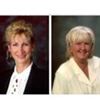
Cyndie Koopsen and Caroline Young

Cyndie Koopsen and Caroline Young

Cyndie Koopsen,RN, BSN, MBA, HNB-BC, RN-BC, NC-BCis a nurse who has cared for patients in acute care settings, community clinics, and the home. Her professional nursing career has involved nursing executive leadership and administration, staff dev... Read more

Read Cyndie Koopsen and Caroline Young's Profile

Frequently Asked Questions

Once you've made the payment, we'll send you a confirmation email with a link to start your course. Feel free to get started whenever you're ready!

You'll have 3 months access to your course. In that time you are free to study at your own pace. The course duration is 24 hours.

Online learning is a flexible way to study that fits around your schedule, giving you the freedom to learn at your own pace from anywhere in the world. You'll have 3 months to complete the course and can take the multiple-choice questions and final exam whenever it suits you.

If you need help, you can contact us anytime. You can also join the discussion area where you can interact with other students. The discussion area for each lesson is open for the entire duration of the course.

Of course! We offer a 7-day money back guarantee. As long as you haven't completed the course, you can get a full refund within 7 days of enrolling.

We do not offer extensions or transfers for this self-paced course. However, you will have 3 months to complete the course, and if you need to cancel within the first 10 days of enrolment, we offer a money back guarantee.

The Learning Environment

From the moment that you enrol in the Integrative Medical Mental Health you will become an integral part of our learning community. You'll find yourself with the freedom to learn at a speed that suits you, on any device, from anywhere in the world. Achieving your career goals no longer has to mean compromising family and work commitments.

Our Values

Learn At Your Own Pace

We believe in personalised learning. That's why we provide all the tools and support you need to succeed at your own pace. With flexible learning, you'll stay motivated and retain more information. Plus, you can balance your studies with work and family commitments to make your dreams a reality.

We Won't Break The Bank

Education should be accessible to anyone who wants to learn. That's why we offer some of the most competitive prices in the industry with payments plans for just $25 per week. Investing in your future is a smart choice and doesn’t have to break the bank.

Industry-Led Courses

There's no better way to learn than from experts with years of experience in your field. That's why each of our 200+ industry-led courses are designed to give you a real-life perspective on your industry. With our expert mentors, you'll learn from people who have a wealth of knowledge and experience, and who are passionate about sharing it with you.

Get The Personal Support You Deserve

At Vibe Learning, we're real people who are dedicated to providing you with personal support every step of the way. Our industry experts are not only professional and knowledgeable but also incredibly passionate about sharing their expertise with you. With their guidance, you'll gain invaluable insights and practical knowledge to help you succeed.

Still looking?

Check out the following courses related to Integrative Medical Mental Health:

Medical Transcription Online Course | Vibe Learning
 

Medical Transcription

Picture of Medical Transcription
Now Only
$389
AUD
35% off
$599 AUD
Quick Facts
  • Delivery Method Online
  • Professional Certificate
  • 24hrs Suggested Study Time
  • 3 Months Access
  • Tutor Support
  • Study On Any Device
  • 5295 Students

Learn how to transcribe the medical reports most often used in healthcare today, and discover how to get started and advance as a medical transcriptionist.

Take your first step toward a lucrative career as a medical transcriptionist! In this course, you'll learn how to transcribe the most common medical reports used in both inpatient and outpatient settings. We'll review a lot of the grammar you might have forgotten since high school and apply it to the reports. This knowledge will help prepare you to work almost anywhere in the medical field—doctors' offices, clinics, public health facilities, and hospitals. With this foundation, you'll be set to advance your education so you can work as a subcontractor for a company that outsources transcription, or you can eventually even take on your own clients—all from the comfort of your own home.

We'll go through each of the nine main report types—their formatting requirements, the components of each one, and how they are used in the clinical setting. We'll review grammar points in every lesson, pointing out important elements that will make your reports perfect. You'll also gain important clinical knowledge of major disease processes that are essential to enhance your skill as a medical documentation specialist.

Along the way, we'll download a free transcriber that you'll use to listen to dictation, and we'll cover how to use it to produce the reports in your word processor. These hands-on exercises will give you the practice you'll need to determine if this field is for you. We'll also go through the options you'll have now and in the future by developing the skills of a medical transcriptionist. By the end of this course, you'll know the basic report types, have clinical knowledge of major diseases, be able to correct grammar from dictated reports on the fly, and know the next steps you'll need to take!

Courses are delivered to you through expertly executed lessons, online instruction and interaction with like-minded students. Our courses are designed to deliver all of the benefits of studying in a classroom whilst giving you the flexibility to study at a time and place to suit your needs. You can access your classroom 24/7 from any device with an internet connection.

This course has a 3 month duration. You'll complete comprehensive lessons, quizzes and assignments before submitting your final exam at the end of the course to achieve your certificate. Courses must be completed within the 3 month access period.

In this first lesson, we'll look at the history of medical transcription as a career. You'll find out how the field has evolved into its modern form, and you'll explore the various skills and aptitudes that you'll need to succeed as a professional medical transcriptionist. You'll examine the type of work MTs produce, and we'll take a look at the MT's job today, where you might work, and what might be in store in the future for those working in this career field.

We'll start today by discussing the MT's tools of the trade. We'll review a few of the reference books and discuss the types of Web sites that MTs use for research. Then we'll take a look at the hardware and software that today's MTs use on the job. I'll talk you through downloading the free software we'll use in this course, and then we'll go through a quick tour on how to use it. By the end of this lesson, you'll be sitting at your computer, listening to a real medical dictation audio file and looking at the Express Scribe software on your screen. As you listen to the medical report, you'll practice starting, pausing, and rewinding the audio as you tap away on the keyboard.

There are nine report types that medical professionals use most often in both hospitals and clinics. So in this lesson we'll go over a variety of examples of real medical reports. We'll also do a quick review of medical correspondence. Medical letters aren't much different from traditional letters, but since you might not have typed a traditional letter in a while, you might need a refresher. We'll finish the lesson with some specific tips about pathology reports and how to handle numbers and measurements. Then you'll practice transcribing a medical letter and a pathology report.

We'll spend this lesson going over how to listen most effectively, discussing the difference between hearing and active listening. We'll also touch on many of the issues that keep voice recognition systems from replacing humans, including homonyms, synonyms, and antonyms. Then we'll discuss how you can use phonetics and vowel sounds (as well as a few other tricks!) to help you figure out a word or phrase in a muddled recording. Then we'll talk a bit about the radiology department and radiology reports, and we'll finish up by practicing transcribing one in today's assignment.

Today we're going to talk about some subjects that might make you cringe a little: grammar, sentence structure, and punctuation. But I promise this will be a painless, maybe even enjoyable, journey through some of the basic principles of writing that will help you become a better MT. Then, in our Practice Corner, we'll talk a little more about SOAP notes and then turn our attention to infectious diseases and medications. You'll also have the chance to transcribe a SOAP note and a radiology report in the assignment that accompanies the lesson.

We'll continue our examination of writing in this lesson by talking about style from the MT's perspective. When you're transcribing, you must follow editorial directions in spelling, capitalization, and typographical display. And it's those directions that are the style MTs need to be concerned about. I think you'll be surprised at how many different ways you can treat a single word. Should it be capitalized or lowercased? Should you abbreviate it, or should you spell it out? Should your numbers be in digit form or word form? These are the issues we'll be covering in this lesson. Finally, in our Practice Corner, we'll focus on the H&P report, and you'll have the chance to practice transcribing one.

No matter what you transcribe, one thing is a given: Medical terminology will be a huge part of it. That's what we'll be focusing on today. One thing to remember is that dictators aren't perfect. They might say one word when they actually mean another. Or they might say a word that has a sound-alike word, like <em>cystitome</em> and <em>cystotome</em>. If you have a good understanding of medical terminology, you can pinpoint the correct word to make sure your transcription is accurate. Then, in our Practice Corner, I'll review the basic nature of heart disease and its treatment. We'll also take a close look at another common disease: diabetes.

A critical component of the MT's work is the way you put your reports together. So in this lesson, we'll talk about how to break up your reports into sections with headings, subheadings, special line spacing, page breaks, and other formatting niceties. We'll also take a closer look at ways you can make your work easier by using word processing shortcuts, AutoText, macros, and templates. Mastering them will make you a faster and more efficient MT! In the Practice Corner, we'll focus on surgical reports. Surgical terminology is important to know, and it's also fascinating to take an inside look at what goes on in the operating room. The assignment for this lesson will include a surgical report to help you put to work all the new knowledge you've gained.

Another essential step in transcription is editing and proofreading your work. And that's what we'll concentrate on today. I'll start off by sharing some editing do's and don'ts as well as what to look for when you're proofreading. In our Practice Corner, we'll be covering a disease process that has, in some way, touched virtually everyone: cancer. Once you have an overview of cancer, we'll work on the consultation report. Physicians often ask specialists to further evaluate their patients, especially cancer patients. So this is a common report that you're likely to transcribe regularly. The assignment for this lesson includes a consult report to transcribe, and you'll also get to practice proofreading.

So far we've focused on the mechanical elements of medical transcription. But there is still a lot you need to know about clinical issues. So this will be a completely clinical lesson. We'll talk about classification systems and their transcription foibles. And now that you have the bones of grammar and style down, we're going to talk about some real bones. We'll begin by discussing information on fractures and spine levels. Finally, in our Practice Corner, we'll discuss discharge and death summaries. They are very similar reports, but we'll take a look at some of their subtle differences.

This lesson will be similar to the last in that it covers lots of clinical issues. It won't all be clinical, however. There are a few miscellaneous things that I want to make sure I share with you. They don't really fit into neat categories, so I've put them all here. Once we finish with these miscellaneous items, we'll jump back into some clinical issues. We'll be talking specifically about infections. Then we'll turn our attention to smaller parts of the body—cells and blood. Then, in our Practice Corner, you'll see how everything you've learned can come together in an autopsy report. This is probably the longest, most comprehensive report you'll ever come across. And, of course, you'll have the chance to transcribe an autopsy report in the assignment!

By now you have the tools and the knowledge you need to dip your toe into the waters of medical transcription. But we still have a couple of big questions to answer. How do you manage your workload? Also, how do you establish yourself as a medical transcriptionist? And do you need more training? Today we'll discuss all the different ways you can work—everything from being an independent contractor all the way up to consultant work. We'll talk about additional training as well. Then we'll take a peek at some of the events on the horizon, and you'll see why this is an exciting time to enter the transcription field. For our final Practice Corner, we'll look at the Health Story Project. It's an initiative to develop standards for integrating narrative reports (like the ones you've been transcribing) into the electronic medical record in a meaningful way—giving them the ability to be searched and to extrapolate data like we have never been able to do before.

Jennifer Della'Zanna

Jennifer Della'Zanna

Jennifer Della'Zanna graduated from Albright College in Reading, PA with a Bachelor of Arts degree. With 15 years' experience in the health care industry, she has worked as a medical transcriptionist, receptionist, medical assistant, practice admi... Read more

Read Jennifer Della'Zanna's Profile

Frequently Asked Questions

Once you've made the payment, we'll send you a confirmation email with a link to start your course. Feel free to get started whenever you're ready!

You'll have 3 months access to your course. In that time you are free to study at your own pace. The course duration is 24 hours.

Online learning is a flexible way to study that fits around your schedule, giving you the freedom to learn at your own pace from anywhere in the world. You'll have 3 months to complete the course and can take the multiple-choice questions and final exam whenever it suits you.

If you need help, you can contact us anytime. You can also join the discussion area where you can interact with other students. The discussion area for each lesson is open for the entire duration of the course.

Of course! We offer a 7-day money back guarantee. As long as you haven't completed the course, you can get a full refund within 7 days of enrolling.

We do not offer extensions or transfers for this self-paced course. However, you will have 3 months to complete the course, and if you need to cancel within the first 10 days of enrolment, we offer a money back guarantee.

What people are saying about our courses

The Learning Environment

From the moment that you enrol in the Medical Transcription you will become an integral part of our learning community. You'll find yourself with the freedom to learn at a speed that suits you, on any device, from anywhere in the world. Achieving your career goals no longer has to mean compromising family and work commitments.

Ready to get started?

Enrol Now

Our Values

Learn At Your Own Pace

We believe in personalised learning. That's why we provide all the tools and support you need to succeed at your own pace. With flexible learning, you'll stay motivated and retain more information. Plus, you can balance your studies with work and family commitments to make your dreams a reality.

We Won't Break The Bank

Education should be accessible to anyone who wants to learn. That's why we offer some of the most competitive prices in the industry with payments plans for just $25 per week. Investing in your future is a smart choice and doesn’t have to break the bank.

Industry-Led Courses

There's no better way to learn than from experts with years of experience in your field. That's why each of our 200+ industry-led courses are designed to give you a real-life perspective on your industry. With our expert mentors, you'll learn from people who have a wealth of knowledge and experience, and who are passionate about sharing it with you.

Get The Personal Support You Deserve

At Vibe Learning, we're real people who are dedicated to providing you with personal support every step of the way. Our industry experts are not only professional and knowledgeable but also incredibly passionate about sharing their expertise with you. With their guidance, you'll gain invaluable insights and practical knowledge to help you succeed.